Manual Safety or No Safety: How to Decide for Your Carry Gun
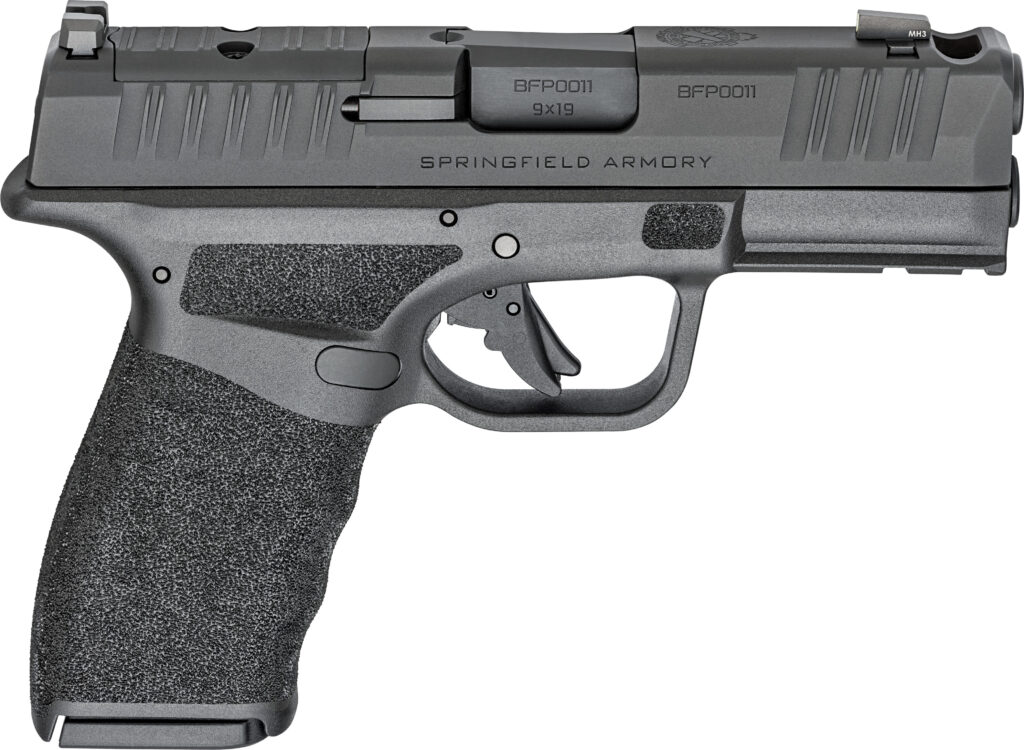
Few topics start an argument at the gun counter faster than manual safeties. One customer swears he would never carry a striker-fired pistol without a thumb safety. The next one says a manual safety is a fatal liability that will fail you when it matters most. Both are usually talking about their own habits more than about the gun.
This guide will help you settle the manual safety or no safety question for your own carry gun. We will cover what a manual safety actually does, what protects you on a gun without one, the honest pros and cons of each, and a simple set of questions to help you decide. Then we will cover how to train with whichever choice you make, because the decision matters far less than the habits you build around it.
The Short Answer
Both options are safe and effective when they are paired with the right holster, sound gun handling and enough practice. Neither one is safe when those things are missing. As a rule of thumb:
- Choose no manual safety if you want the simplest possible manual of arms, you carry in a quality holster that fully covers the trigger, and you are willing to be strict about holstering.
- Choose a manual safety if it gives you real peace of mind, you carry in ways where something could press the trigger (appendix, pocket or off-body carry), your other guns have safeties, or you are newer to carrying a chambered pistol, and you commit to training the safety until disengaging it is automatic.
- Whatever you pick, stick with it. Carrying different setups on different days is how people end up fumbling for a lever that is not there, or forgetting one that is.
What a Manual Safety Actually Does
A manual safety is a control you operate yourself, usually a thumb lever on the frame, that blocks the gun from firing until you move it to the fire position. On most modern micro-compacts it locks the trigger or sear, so a press on the trigger does nothing while the safety is engaged.
There are a few other kinds of safety you will run into:
- Thumb safety: The most common type on carry pistols. You sweep it down with your strong-side thumb as you draw. Optional on many popular micro-compacts.
- Grip safety: A lever on the backstrap that only allows the gun to fire when you have a firm grip, found on 1911s and some Springfield XD-series pistols. It deactivates on its own when you grip the gun, so it requires no extra step.
- Cross-bolt safety: A button that pushes through the frame, often behind the trigger. Less common on modern carry pistols and generally slower to operate under stress.
- Decocker: Found on hammer-fired double-action pistols. It safely lowers the hammer but is not the same thing as a manual safety.
What Protects You on a Gun With No Manual Safety
“No safety” is a bit of a misnomer. Modern striker-fired pistols without a manual safety still have several passive safeties built in. These work automatically, without any input from you:
- Trigger safety: The small blade or hinge in the middle of the trigger face that must be depressed before the trigger can move. It helps prevent the trigger from moving if something presses the side of it.
- Striker or firing pin block: An internal part that physically blocks the striker from reaching the primer unless the trigger is pressed fully to the rear.
- Drop safety: Mechanisms designed to keep the gun from firing if it is dropped.
These features are designed to keep the gun from firing unless the trigger is pressed. That is the key point: on a gun without a manual safety, the trigger is the only thing standing between you and a discharge, so your holster and your trigger finger become your safety. Nearly every unintentional discharge with a modern pistol happens because something pressed the trigger. That something is usually a finger, a piece of clothing, a holster strap, a drawstring or a foreign object in a pocket.
The Case for a Manual Safety
- A backup when holstering. Reholstering is one of the riskiest moments in daily carry. If a shirt tail or jacket toggle gets into the holster, an engaged manual safety can keep it from becoming a discharge.
- Peace of mind with appendix carry. With appendix inside-the-waistband carry, the muzzle points toward your groin and femoral artery. Many appendix carriers like the added layer of protection, especially while sitting, bending or reholstering.
- Pocket and off-body carry. Guns carried in pockets, bags, purses or vehicle consoles are more exposed to objects that can work their way into the trigger guard. A safety adds a layer of protection, although it never replaces a proper holster.
- Gun grabs and struggles. In a struggle over your gun, an attacker who does not know your pistol has a safety may not get it to fire immediately. That edge is small and should not be your main reason, but it is real.
- Consistency with your other guns. If you already shoot a 1911, a pistol with a thumb safety at the range, or a rifle or shotgun with a manual safety, a matching carry gun keeps your habits consistent.
- Confidence for newer carriers. Some people only feel comfortable carrying with a round in the chamber if they have a manual safety. Carrying chambered with a safety is far better than carrying with an empty chamber, which adds a two-handed step to every draw.
The Case Against a Manual Safety
- One more thing to do under stress. In a sudden, violent encounter, fine motor skills degrade. If you have not trained to sweep the safety off on every draw, you may press a trigger that will not move. This is the strongest argument against a safety.
- Small levers on small guns. On micro-compact pistols, the thumb safeties are often tiny so the gun stays snag-free. Small levers can be harder to find and operate quickly, especially with cold, wet or gloved hands.
- Accidental engagement. A safety can be bumped back on during carry or a struggle, or by a high thumb grip. You may not discover it until you need to fire.
- Off-hand shooting. Many micro-compact safeties are not ambidextrous. If your strong hand is injured, operating the safety with your support hand can be awkward.
- False sense of security. Some carriers let their trigger discipline or holster standards slip because they trust the safety. A manual safety is a backup, not a substitute for good habits.
- Agency and instructor norms. Most U.S. police agencies issue striker-fired pistols without manual safeties, and many instructors teach on them. Classes and drills are generally built around guns without a safety, so you may need to adapt.
Popular Micro-Compact 9mms: Safety Options
Most of the leading micro-compact 9mm pistols are now sold with and without a manual thumb safety, so you rarely have to give up your preferred gun to get the option you want. Always confirm the exact model number before you buy, because the two versions often look nearly identical in photos.
| Pistol | Manual safety version? | Notes |
|---|---|---|
| SIG Sauer P365 family | Yes | Sold with or without a manual safety across many variants. |
| Springfield Armory Hellcat | Yes | Thumb safety versions offered alongside standard models. |
| Smith & Wesson M&P9 Shield Plus | Yes | Available with or without a thumb safety. |
| Ruger MAX-9 | Yes | Offered with a manual safety or as a Pro model without one. |
| Glock 43X / 48 | No | Relies on Glock’s trigger safety and internal safeties only. |
For a deeper look at the guns themselves, see our guide to the best concealed carry guns in 2026 and how to choose the perfect carry gun.
Five Questions to Help You Decide
1. How and where do you carry?
Strong-side hip carry in a rigid holster is the most forgiving setup for a gun without a manual safety. Appendix carry, pocket carry and off-body carry all put more stress on your holster and your habits, and these are the situations where a manual safety earns its keep. If you carry in several ways, plan around the riskiest one.
2. What does the rest of your gun collection look like?
Under stress, you will do what you have practiced most. If you spend most of your range time with a gun that has no safety, a carry gun with one can trip you up, and vice versa. The best choice is often the one that matches the guns you already shoot the most.
3. How much will you actually practice?
Be honest. A manual safety only works for you if disengaging it is automatic, and that takes hundreds of repetitions in dry fire and live fire. If you will not put in that work, a manual safety can become a liability. If you will, it is a reasonable choice. Our guide on how often to practice with your carry gun lays out a realistic schedule.
4. Who else is around your gun?
If you live with children or other people who could get access to your gun, the most important protection is not a manual safety but secure storage whenever the gun is not on your body. Read our guide to safe storage at home when you carry every day. That said, many parents prefer a manual safety for the extra layer it adds during handling.
5. Will you carry with a round in the chamber?
You should, and if a manual safety is what makes you comfortable doing so, that is a strong reason to choose one. Carrying with an empty chamber means you need two hands and extra time to get the gun into action, which is a far bigger handicap than a thumb safety.
If You Choose a Manual Safety: How to Train It
A manual safety is only an asset if you never have to think about it. Build these habits:
- Sweep it off on the way to the target. Disengage the safety as the gun comes up toward the target, not while it is still in the holster or pointed at your body. Your finger stays off the trigger until your sights are on target and you have decided to shoot.
- Ride the safety. Many shooters keep their strong-side thumb resting on top of the disengaged safety lever while shooting. This helps prevent it from being bumped back on and keeps your grip consistent.
- Re-engage it before you holster. Every time you finish shooting, put the safety back on before the gun goes anywhere near your holster. Make this as automatic as taking your finger off the trigger.
- Practice every draw with the safety on. In dry fire and at the range, start every draw with the safety engaged. You want hundreds of correct repetitions so the motion happens without conscious thought.
- Check it during the day. Get into the habit of confirming the safety is still on when you adjust or check your gun, without unholstering it in public.
If You Choose No Manual Safety: The Non-Negotiables
Going without a manual safety is a perfectly sound choice, but it raises the bar for your equipment and habits:
- Use a quality holster that fully covers the trigger guard. Rigid Kydex or a well-made hybrid holster is the standard. Never carry a gun without a manual safety loose in a pocket, purse or waistband. See our picks for the best IWB holsters of 2026.
- Holster slowly and deliberately. There is no prize for reholstering fast. Look the gun into the holster, keep your finger high on the frame, and clear your shirt and jacket out of the way first.
- Consider the “thumb on the back of the slide” technique. Many appendix carriers rest their thumb on the back of the slide while holstering. On some striker-fired guns this lets you feel the striker move if something presses the trigger.
- Avoid soft or collapsing holsters. A holster that folds in when empty forces you to reholster with two hands or fight the opening, which increases the risk that something gets into the trigger guard.
- Inspect your holster regularly. Look for cracks, worn spots and loose screws, and check that nothing like a clothing toggle can enter the holster.
- Rock-solid trigger discipline. Your finger stays straight along the frame until your sights are on target and you have decided to shoot. No exceptions.
Common Myths About Manual Safeties
“A manual safety makes the gun safe.”
No mechanical device makes a gun safe. Safe gun handling, a proper holster and secure storage do that. A manual safety is one additional layer, and it only works if it is engaged when it should be.
“You will forget the safety when it counts.”
That happens to people who have not trained. Shooters who have practiced a disengage-on-draw habit for years, including many 1911 carriers, operate their safeties reliably under pressure. The risk lies in a lack of training, not in the safety itself.
“Guns without safeties are dangerous.”
Millions of police officers and civilians carry striker-fired pistols without manual safeties every day. Used with a proper holster and disciplined handling, they are a proven and sensible choice.
“It doesn’t matter, I’ll decide when I need to.”
It matters a great deal. In a defensive situation, you will not decide anything about your gun’s controls. You will do whatever you have trained to do. That is why consistency is more important than the choice itself.
Our Verdict
For most experienced carriers using a quality holster on the hip, a micro-compact without a manual safety offers the simplest, most reliable manual of arms. For appendix carriers, pocket carriers, newer carriers and anyone who shoots safety-equipped guns most often, a manual safety is a smart and perfectly defensible choice, as long as it is trained until disengaging it becomes second nature.
The worst choice is not one option or the other. It is switching back and forth, skimping on your holster, or never practicing your draw. Pick the setup that fits how you carry and live, commit to it, and train until you can do it right without thinking. If you are new to carrying, our list of 10 mistakes new concealed carriers make is a good next read.
Frequently Asked Questions
Is it safe to carry a Glock or other gun without a manual safety with a round chambered?
Yes, when it is carried in a quality holster that fully covers the trigger guard and handled with good trigger discipline. Modern striker-fired pistols have internal safeties that are designed to keep them from firing unless the trigger is pressed.
Should beginners get a gun with a manual safety?
Not necessarily. Many instructors start beginners on guns without manual safeties to keep things simple. But if a manual safety is what gives a new carrier the confidence to carry with a round in the chamber, it is a good choice, provided they train with it.
Can I just leave the manual safety off?
Some carriers buy a safety-equipped model and carry with the safety disengaged, so they have the option without needing it. If you do this, you still need to train to sweep the safety off on every draw, in case it has been bumped on. Otherwise you are better off buying the version without a safety.
Is a manual safety a good idea for appendix carry?
Many appendix carriers think so, because the muzzle points toward the body and reholstering is risky. Others carry without one and rely on a quality holster and careful, slow holstering. Both approaches are common among experienced carriers.