How Often Should You Practice With Your Carry Gun?
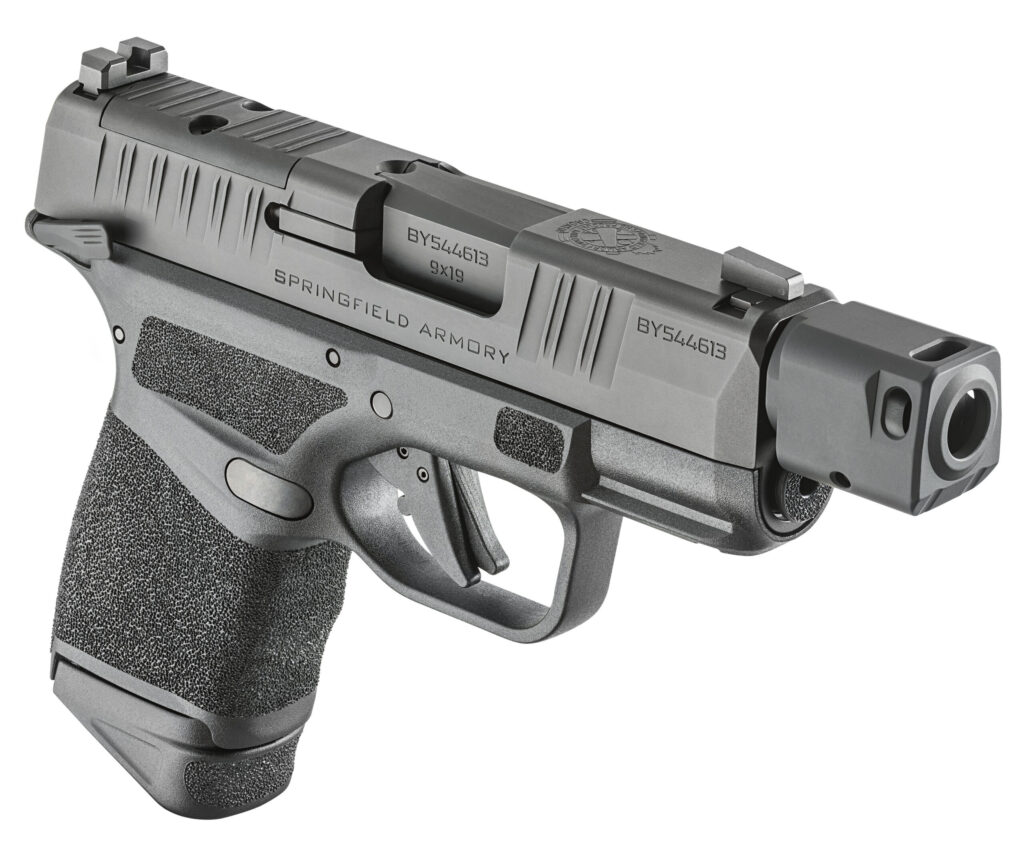
Buying a carry gun and getting your permit is the easy part. Staying competent with it is the part most people neglect. Many carriers shoot a box of ammo when they buy the gun, maybe once more before their permit class, and then rarely touch it again except to put it in the holster. So how often should you practice with your carry gun? The honest answer is more often than most people do, but probably less often, and less expensively, than you think.
This guide lays out a realistic practice schedule for everyday carriers, explains what to practice and how to make every session count, and shows how to build skill without spending a fortune on ammunition.
The Short Answer
A practical baseline that many instructors recommend looks like this:
- Dry fire: 10 to 15 minutes, three to five times a week.
- Live fire: At least once a month, ideally every two weeks.
- Professional training: At least one class a year from a qualified instructor.
- Skills check: A short, timed standard every month or two to measure whether you’re improving or slipping.
Consistency matters far more than volume. Short, frequent sessions build and maintain skill better than an occasional marathon range day.
Why Practice Frequency Matters
Shooting is a perishable skill. The fine motor control needed for a clean draw, a fast sight picture and a smooth trigger press fades without regular repetition. Under stress, people tend to fall back on their most practiced habits, so whatever you rehearse most is what you’re most likely to do. If your practice is rare and sloppy, that’s the skill you’ll have available when it matters.
This is especially true with micro-compact 9mm pistols. Their short sight radius, small grips and snappier recoil make them harder to shoot well than full-size guns. The very features that make a micro-compact easy to carry make regular practice even more important.
Dry Fire: The Foundation of Your Practice
Dry fire, practicing with an unloaded gun, is the single most effective way to build gun-handling skill, and it’s free. Most of what makes a good shot happen, including the draw, grip, sight alignment and trigger press, can be practiced at home without firing a round.
Dry Fire Safety Rules
Dry fire is only safe if you follow a strict routine every single time:
- Unload the gun and remove all live ammunition from the room. Put it in a different room entirely.
- Check the chamber and magazine visually and physically, then check again.
- Choose a target with a safe backstop that would stop a bullet, such as an exterior wall with brick behind it or a dedicated backstop.
- Practice for a set time, then end the session clearly. Say out loud “dry fire is over” before you reload.
- Never reload and then “do one more rep.” Many negligent discharges happen in exactly that moment.
Check your gun’s manual to confirm dry firing is safe for it. Most modern centerfire pistols, including virtually all striker-fired micro-compacts, can be dry fired without damage. Snap caps are a good idea if you’re unsure.
What to Practice in Dry Fire
- The draw from concealment: Practice clearing your cover garment and drawing from the exact holster and position you carry in, wearing your normal clothes.
- Trigger control: Press the trigger smoothly without disturbing the sights. If the front sight or red dot jumps when the striker falls, keep working.
- Grip: Establish a consistent, high, firm grip on every rep.
- Reloads and malfunction clearing: Use empty magazines or dummy rounds to practice reloads and tap-rack drills.
- Reholstering: Practice slow, deliberate reholstering, looking the gun into the holster.
A shot timer app or a par-time beep helps you put a little pressure on your reps, but stay slow and smooth until your technique is clean. Speed comes from repetition, not from rushing.
Live Fire: Confirming the Skill
Dry fire builds the motions. Live fire confirms them, teaches recoil management and verifies that your gun and ammunition work. Aim for at least one live-fire session a month. Every two weeks is better if your schedule and budget allow.
Make Each Range Trip Count
- Go with a plan. Write down the drills you’ll shoot before you arrive.
- Shoot your carry gun. A full-size range gun is fun, but it won’t tell you how you shoot the micro-compact you actually carry.
- Use your carry gear when the range allows it. Drawing from concealment is the most important skill a carrier has. If your range doesn’t allow drawing from a holster, look for one that does or take a class where it’s permitted.
- Fire some of your carry ammo. You don’t need to shoot it every time, but confirm that your defensive load feeds reliably and that you know how it recoils. Our 9mm vs .380 ACP comparison covers how caliber affects recoil in small guns.
- Quality over quantity. Fifty deliberate, well-planned rounds teach more than 300 rounds fired as fast as you can load magazines.
Sample 50-Round Practice Session
| Drill | Rounds | Focus |
|---|---|---|
| Slow-fire groups at 5 yards | 10 | Trigger control and sight alignment |
| Draw and fire one shot at 5 yards | 10 | Clean draw from concealment |
| Draw and fire two shots at 7 yards | 10 | Recoil control and follow-up shots |
| Reload drill: one shot, reload, one shot | 10 | Smooth, fast reloads |
| Strong-hand-only and weak-hand-only, 5 yards | 10 | One-handed shooting |
Professional Training: At Least Once a Year
Self-practice tends to reinforce whatever you’re already doing, including bad habits. A good instructor can spot problems you don’t notice, teach skills you can’t learn alone, such as shooting while moving, and cover the legal and decision-making side of self-defense. Plan on at least one quality class a year, and choose courses that build on each other rather than repeating the same beginner class.
Measure Your Progress With a Standard
You can’t tell whether your practice is working unless you measure it. Pick a simple, repeatable drill, shoot it cold at the start of a range session every month or two, and record your time and accuracy. Many carriers use well-known standards such as a timed draw-and-fire drill at 5 to 7 yards or a published qualification course. If your scores slip, increase your practice. If they plateau, it may be time for another class.
Adjust the Schedule to Your Situation
- New carriers: Practice more at first. Dry fire most days and get to the range every week or two for the first few months, until your draw and handling are consistent.
- New gun or new holster: Any change to your setup resets part of your skill. Put in extra dry fire and at least one range trip before you carry it daily. If you’re choosing a new holster, see our roundup of the best IWB holsters of 2026.
- Experienced carriers: Maintenance practice can be lighter, but should never stop. A few dry-fire sessions a week and a monthly range trip keep skills sharp.
- Tight budget: Lean on dry fire. It builds most of the skill, costs nothing and takes just minutes a day.
Common Practice Mistakes
- Only shooting slow groups from a bench or a low-ready position, never from the holster.
- Practicing with a different gun or holster than the one you carry.
- Shooting fast without checking your hits.
- Skipping one-handed shooting and malfunction drills.
- Treating practice as a one-time box to check instead of an ongoing habit.
Frequently Asked Questions
How many rounds should I shoot per month with my carry gun?
There’s no magic number. Many carriers do well with 50 to 100 focused rounds a month combined with regular dry fire. A well-planned session matters more than the round count.
Is dry fire practice really as good as live fire?
It isn’t a full replacement, because you need live fire to manage recoil and confirm your gun works. But dry fire builds most of the core skills, including the draw, grip and trigger control, and it lets you get far more repetitions.
Is it bad to dry fire my pistol?
Most modern centerfire pistols can be dry fired safely, but check your owner’s manual. Rimfire pistols are the main exception, and snap caps are cheap insurance.
How often should I take a firearms training class?
At least once a year is a good goal. Pick classes that build new skills rather than repeating the same course.
What should I practice most as a concealed carrier?
The draw from concealment, with your real clothes, holster and gun. It’s the skill carriers need most and practice least.
The Bottom Line
If you carry a gun, you’ve taken on the responsibility to use it safely and accurately. You don’t need to live at the range to meet it. A few minutes of dry fire most days, a focused range trip once or twice a month, and a class every year will put you ahead of the vast majority of carriers. Start small, stay consistent, and measure your progress. If you’re still choosing the gun you’ll practice with, our guide on how to choose the perfect carry gun can help.