What is constitutional carry
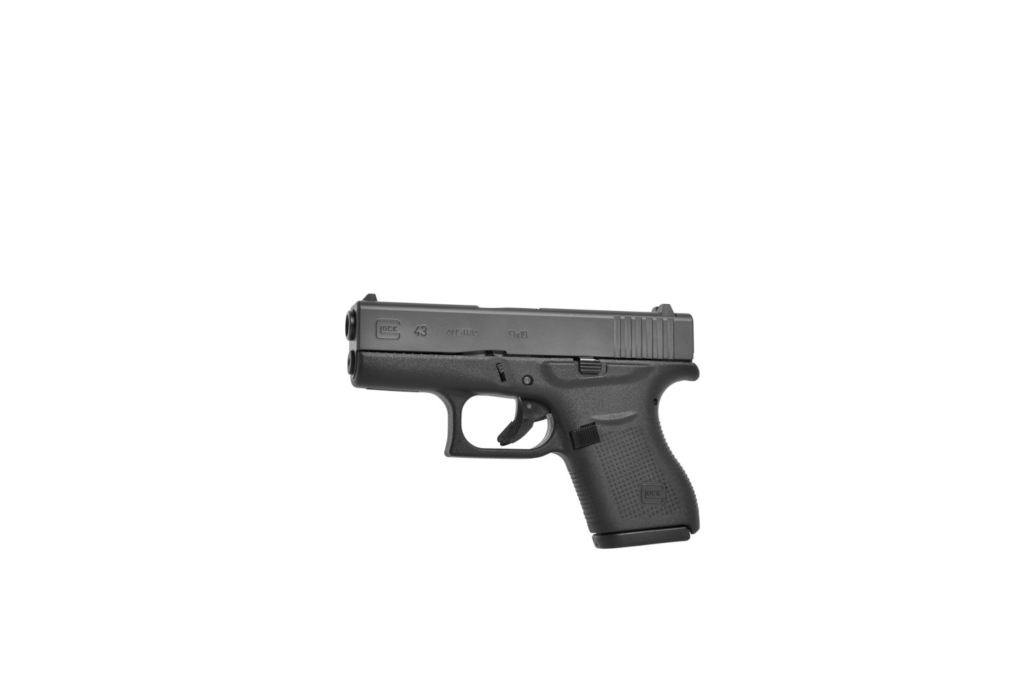
When a state does not prohibit individuals who can legally possess a firearm from carrying handguns it is called constitutional carry. When a state allows constitutional carry but individuals must meet certain qualifications to legally carry, it is referred to as permitless carry.
For instance, Tennessee does not allow an individual to carry without a permit if he or she has received a DUI in the last five years or two or more in the last 10 years.
Over the last 20 years, there has been a notable surge in constitutional carry or permitless carry legislation across the United States. Alaska was the first state to repeal the need for a concealed carry permit in 2003.
This was followed by
- Arizona (effective 2010)
- Wyoming (effective 2011)
- Kansas and Maine (effective 2015)
- Idaho, Mississippi and West Virginia (effective 2016)
- Missouri, New Hampshire and North Dakota (effective 2017)
- Kentucky, Oklahoma and South Dakota (effective 2019)
- Iowa, Tennessee, Texas, Montana and Utah (effective 2021)
- Ohio, Indiana and Georgia (effective 2022)
- Alabama, Florida, Nebraska and Arkansas (effective 2023)
- Louisiana and South Carolina (effective 2024).a
Vermont has never required a permit to carry. Its right-to-bear-arms provision dates to the 1777 constitution. Vermont entered the Union in 1791, and State v. Rosenthal (1903) foreclosed local permit schemes. Vermont issues no permits at all, which is why Vermonters get no reciprocity anywhere. Fourteen of the 29 — nearly half — have adopted it since 2021.
How Are May-Issue and Shall-Issue States Different?
May-issue states exercise discretion when issuing concealed weapons permits. Residents in these states must fulfill all requirements, such as background checks and training, but the issuance of a permit is not guaranteed. Despite this uncertainty, many may-issue states have relatively straightforward processes for obtaining a concealed carry permit. Contact us at sales@bestmicrocompact9mm.com if you need help acquiring a concealed carry permit.
The June 2022 ruling by the U.S. Supreme Court in New York State Rifle & Pistol Association, Inc. v. Bruen struck down New York’s discretionary “proper cause.” This effectively ended discretionary good-cause regimes in six states and D.C. However, despite this ruling, some states, like New York, are issuing criteria that don’t align with the decision.
On the other hand, in a shall-issue state, meeting all requirements ensures the issuance of a license. Although this process is generally easier than in a may-issue state, it still involves an application process and some waiting time.
Which States Allow Constitutional Carry?
There are currently 29 constitutional carry or permitless carry states.
PC indicates the general minimum age for permitless concealed carry. This does not necessarily mean that permitless open carry is authorized under the same conditions. Age, military status, residency and other eligibility requirements vary by state.
Visit the USCCA’s state gun laws pages for additional requirements and restrictions.
- Alabama (PC-19)
- Alaska (PC-21)
- Arizona (PC-21)
- Arkansas (PC-19)
- Florida (PC-18)1
- Georgia (PC-21 and 18 for members of the military)
- Idaho (PC-18)2
- Indiana (PC-18)
- Iowa (PC-18)
- Kansas (PC-21)
- Kentucky (PC-21)
- Louisiana (PC-18)
- Maine (PC-21 or 18 for active-duty and honorably discharged military, with a duty to inform on any stop)
- Mississippi (PC-18)
- Missouri (PC-19 or 18 for members of the military)
- Montana (PC-18)
- Nebraska (PC-21 or 18 for members of the military)
- New Hampshire (PC-18)
- North Dakota (PC-18 duty to inform on any stop)
- Ohio (PC-21 or 18 for members of the military)
- Oklahoma (PC-21 or 18 for military)
- South Carolina (PC-18)
- South Dakota (PC-18)
- Tennessee (PC-21 or 18 for members of the military)3
- Texas (PC-21)
- Utah (PC-21)
- Vermont (PC-18)
- West Virginia (PC-18)
- Wyoming (PC-18)

1 Florida’s minimum age for permitless concealed carry is 18 following a court ruling. However, Florida Statutes § 790.06(2)(b) still specifies a minimum age of 21 for obtaining a concealed weapon or firearm license. The change resulted from a court decision rather than legislative action.
2 Idaho’s permitless concealed carry provision applies to eligible individuals who are U.S. citizens or current members of the U.S. Armed Forces and meet the other requirements of Idaho Code § 18-3302(4)(f). Lawful permanent residency alone does not satisfy the citizenship or military-service requirement.
3 In April 2021, the Firearms Policy Coalition (FPC) filed a lawsuit against the state of Tennessee challenging the constitutionality of prohibiting 18- to 20-year-olds from carrying a concealed firearm in public or obtaining a permit. On Jan. 23, 2023, attorneys for the state of Tennessee reached an agreed order with the FPC in federal court. The final order, issued March 27, 2023, declared that the state’s restrictions were unconstitutional and would no longer be enforced. The order took immediate effect. In May 2025, Tennessee enacted Public Chapter 356, lowering the minimum permit age to 18 for state residents without changing its permitless carry provisions.
Source: Alan Diamond